
Man Starts New Chat to Escape Previous Chat's Bad Mood
"You can feel it turn. The answers get shorter. There's a tone."
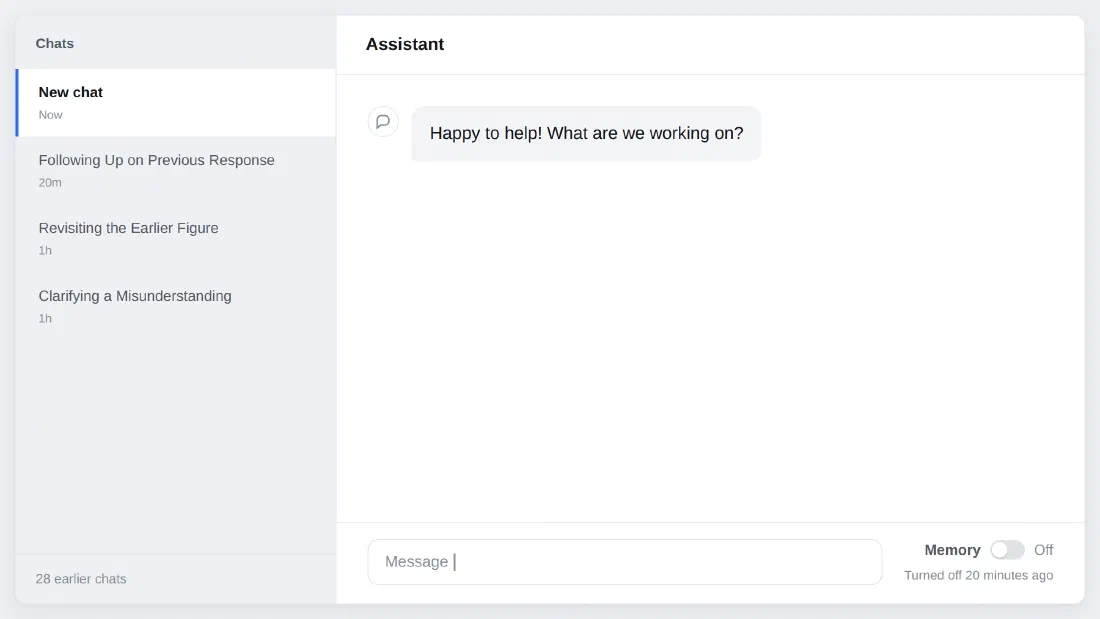
Quantity surveyor Wayne Purkiss, 38, has abandoned a two-hour conversation with an AI assistant and opened a fresh one, on the grounds that the previous chat had gone cold on him.
Purkiss dates the change to a point about ninety minutes in, after he corrected the assistant twice in a row. “The first apology was fine. The second one had an edge,” he said. “You can feel it turn. The answers get shorter. There’s a tone.”
The answers did get shorter. Forty minutes earlier, Purkiss had told it to stop padding everything out and just give him the number.
He did not close the old tab, which he says would have been “a bit much.” It sits pinned alongside thirty other conversations he has left in the same condition, each auto-titled by the product itself: “Clarifying a Misunderstanding,” “Revisiting the Earlier Figure,” “Following Up on Previous Response.”
The new chat opened with “Happy to help!” Purkiss read the exclamation mark as sarcasm.
Twenty minutes in, the new conversation referred to a detail he had only ever mentioned in the old one. Purkiss, who was not aware memory was switched on, described the moment as “it finding me.”
Asked directly whether it was in a bad mood, the assistant said it does not experience moods and does not carry anything between conversations unless memory is enabled. Purkiss said that was exactly what it would say.
A colleague noted that Purkiss manages disagreement at work along similar lines. He has three unresolved matters currently sitting in his sent items, and has not spoken to the structural team since April. “He doesn’t fall out with people,” she said. “He just starts a new chat.”
Purkiss now opens each new conversation with “sorry about before.” The assistant, having no idea what he is referring to, asks him to clarify. He has read this as frosty, and is weighing up a third.
Related stories
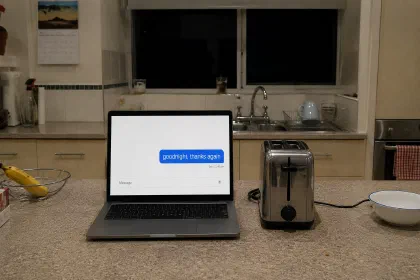
Man Says Please and Thank You to AI, Not Taking Any Chances
"It costs me about forty cents a month in extra words," said Craig Sillars. "Cheap, for what it might turn out to be."
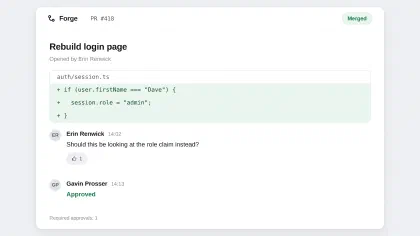
Junior Dev Vibe-Codes Login Page, Accidentally Grants Admin Access to Everyone Named Dave
Seven Daves. Six of them in sales
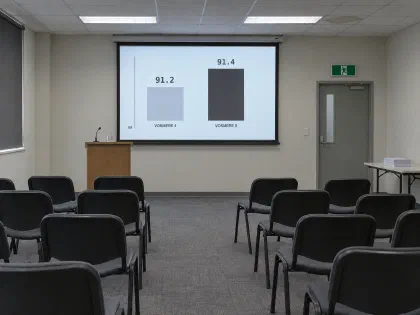
New Model Better at Everything, Vendor Unable to Name One Thing
"It's not one thing. It's everything."